
Family: Circoviridae
Molecular Biology of PiCV
Pigeon Circovirus (PiCV) is a highly prevalent pathogen belonging to the genus Circovirus. It is characterized by a circular, single-stranded DNA (ssDNA) genome of approximately 2.0 kb. The virion features a non-enveloped, icosahedral capsid (approx. 17-22 nm) composed primarily of the Cap protein. Its genome encodes two major open reading frames: ORF1 (Rep protein) and ORF2 (Capsid protein), which are critical molecular features for diagnostic targeting and understanding tissue tropism in lymphoid organs.

Pathogenesis & Replication Cycle
Pigeon Circovirus (PiCV) infection primarily follows a fecal-oral route, where viral particles shed in secretions contaminate the environment. The molecular pathogenesis is defined by several key stages:

- Transmission & Entry: Ingestion or inhalation of contaminated dust leads to primary infection of the respiratory or gastrointestinal epithelium.
- Target Cell Tropicism: PiCV specifically targets lymphoid tissues, including the Bursa of Fabricius, thymus, spleen, and intestinal lymphoid follicles.
- Intracellular Replication: The virus utilizes the host cell's nuclear machinery. The single-stranded DNA genome is converted to a double-stranded replicative form, followed by rolling-circle replication.
- Immune Evasion: By replicating within macrophages and lymphocytes, the virus induces massive apoptosis and depletion of lymphoid cells.
- Clinical Manifestation: This molecular-driven immunosuppression results in 'Young Pigeon Disease Syndrome' (YPDS), characterized by secondary infections weight loss, and lethargy.
Diagnostic Insights
Advanced molecular diagnostics leveraging precision assays for rapid identification and management of Pigeon Circovirus (PiCV) within avian populations.

Molecular Targets
Our assays specifically target the highly conserved Rep (replication) and Cap (capsid) genes of the PiCV genome. By focusing on these regions, we ensure broad-spectrum detection across diverse viral lineages while maintaining extreme diagnostic specificity.
Assay Methods
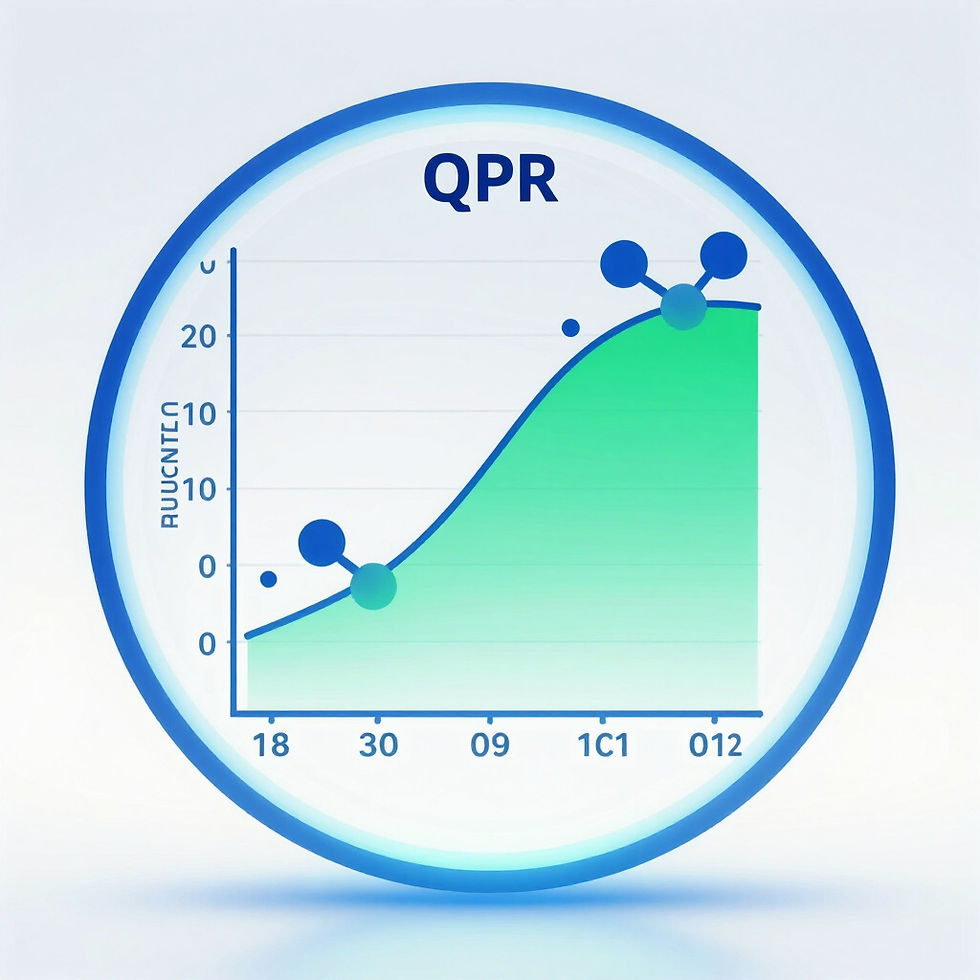
Utilizing high-performance quantitative PCR (qPCR) technology, Avian Code achieves an analytical sensitivity of <10 copies per reaction. This method provides rigorous quantification of viral load, essential for monitoring flock prevalence and therapeutic response.

Clinical Interpretation
Results enable precision flock management: identifying asymptomatic shedders during quarantine and correlating viral titers with clinical Young Pigeon Sickness Syndrome (YPSS) to inform biosecurity protocols and research-driven health strategies.